

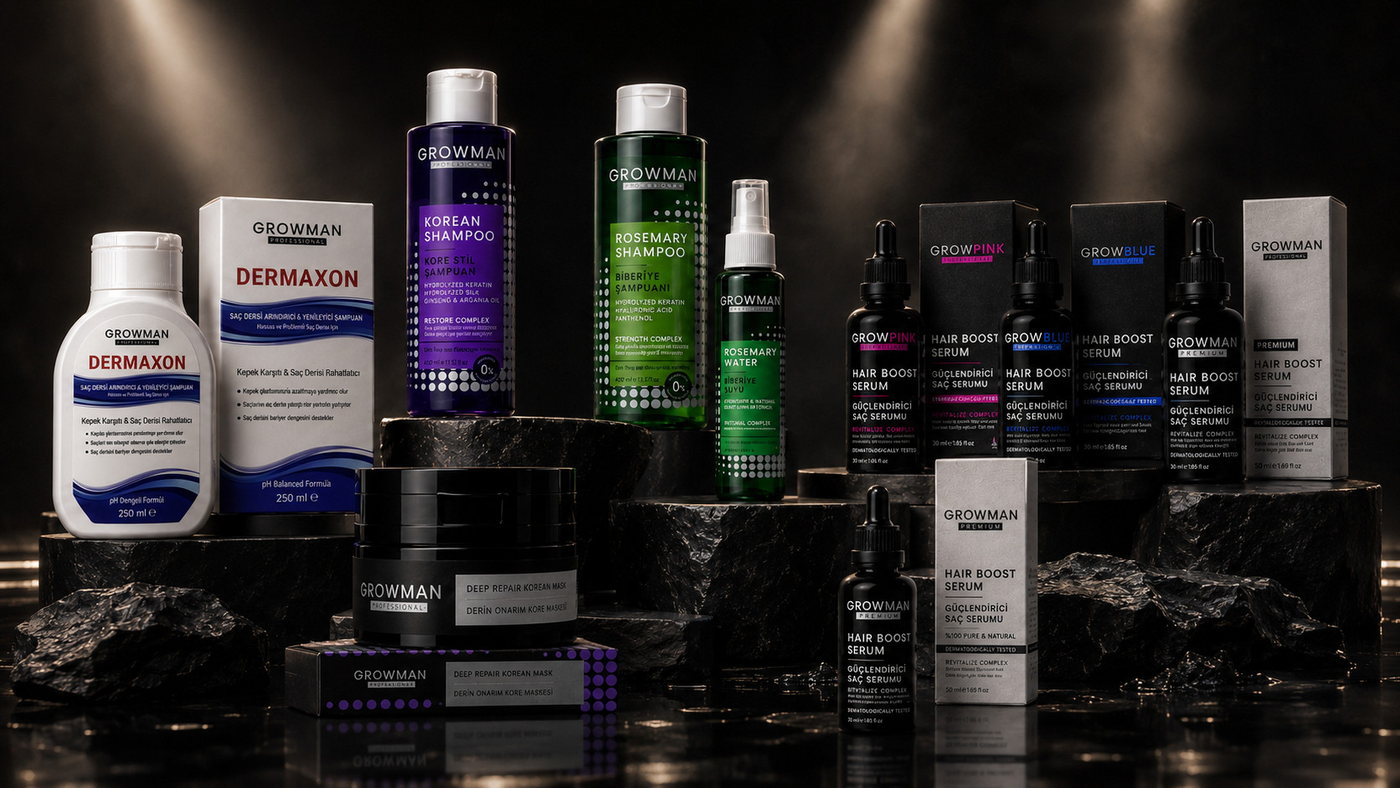
Central Eastern Europe hair care is the part of the EU where a Turkish or mid-size European brand has the most realistic chance of building genuine share. The compliance file is the same one that opens Germany, the retail structure is more accessible, and Turkish product already carries recognition in parts of the region. What it will not forgive is a badly built price ladder.
Why the region rewards a mid-size brand
Western European hair care shelves are defended by brands with marketing budgets no new entrant can match. Central Eastern Europe hair care is different in three useful ways.
The compliance investment is already made. Poland and Romania sit inside the EU, so the same CPNP notification and Product Information File that would open Germany open them. You are not paying a second regulatory entry fee.
Retail is consolidating but not closed. Modern trade has grown quickly, yet regional wholesalers, pharmacy chains and salon distributors still hold real influence. That gives a new brand more than one door.
Turkish product has a track record here. Türkiye's cosmetics exports reached $2.33 billion in 2025 across 190 markets (Bazaar Times), and the region has long been a meaningful destination. Familiarity shortens the trust conversation, which is worth more than most distributors expect at first meeting.
The trade-off is price transparency. Consumers compare aggressively and marketplaces make every price visible. A range that cannot justify its position on the shelf will be found out quickly.
Poland and Romania are not one market
Treating the region as a bloc is the most common planning error. The two anchor markets behave differently enough to need different assortments.
| Poland | Romania | |
|---|---|---|
| Scale | The larger prize by some distance | Smaller but growing |
| Retail | Consolidated modern trade, strong drugstore chains | More fragmented, wholesale still important |
| Price sensitivity | High, with aggressive promotional cycles | High, with a stronger value-for-money framing |
| Turkish supply | Established but competitive | Turkey holds a notably strong position |
| Best first door | Drugstore or e-commerce | Regional wholesale or pharmacy |
Poland rewards a distributor who can hold stock and support a promotional calendar. Romania rewards one who can build relationships through wholesale and grow into modern trade. Send the same proposal to both and one of them will not respond.
The neighbouring markets follow the same logic. Hungary, Czechia and Slovakia each have their own retail structures and are best approached after one anchor market is working, not simultaneously.
The price ladder that decides everything
This is where Central Eastern Europe hair care launches fail. Build the ladder per unit before you commit to anything:
- EXW unit price — the number on the quotation, and the least important line.
- Landed cost — freight, insurance, clearance, inland delivery, divided per unit rather than per shipment.
- Distributor price — landed cost plus your margin, which has to survive the next two steps.
- Retail price — plus retailer margin and VAT, compared against the incumbent's actual shelf price today.
Two regional specifics matter here:
- Promotional depth is structural, not occasional. Drugstore chains in Poland run frequent multi-buy and percentage-off mechanics. If your ladder only works at full price, it does not work. Build the promotional price into the model from the start.
- Marketplace pricing leaks across borders. A price set in one CEE market becomes visible in the others within days. Decide your regional price architecture before the first listing, not after the second country complains.
A practical test: take your three lead references, run the full ladder, and place the result next to what the category leader charges this week. If you land more than 10-15% above with no distinctive claim, redesign the assortment rather than compressing your own margin.
Channel structure and who to approach
Four routes exist, and they suit different starting positions:
Drugstore and modern retail offers scale and demands the most: listing fees, promotional commitments, consistent supply and a rate-of-sale hurdle. Best attempted with a track record, not as a first move.
Pharmacy rewards claim discipline and a narrow, well-evidenced range. Slower to list, more durable once in, and the pharmacist's recommendation partially substitutes for brand awareness.
Salon and professional distribution is the most forgiving first door for a genuinely professional range. Back-bar usage drives retail attachment, and a coordinated routine outperforms a single hero product.
E-commerce and marketplaces move fastest and generate data quickly. They also expose pricing regionally and can undermine a later modern-trade negotiation if the online price sits too low.
Most successful entries into Central Eastern Europe hair care start in salon or pharmacy, prove a rate of sale, then use that evidence to open modern trade in year two.
Sequencing the launch across the region
A workable sequence looks like this:
- Complete the EU file once. One notification, one Product Information File, a tight opening assortment of six to eight references.
- Open one anchor market properly. Poland or Romania, one channel, full support behind it.
- Measure sell-through for two quarters. Identify which two references carry the block and which underperform.
- Rebalance the assortment, then open the second market with the corrected range rather than the original guess.
- Expand to neighbouring markets using the proven assortment and the local-language artwork already produced.
The discipline is in step three. Distributors who open four countries at once end up with four half-supported launches, no clean data on what works, and working capital tied up in stock that a single quarter of honest sell-through analysis would have prevented.
Growman supports this pattern directly: mixed-SKU cartons so a first order can be a real assortment rather than a pallet per reference, evaluation sets credited against the first wholesale order, and one export contact who stays on the file through to the reorder.
What to prepare before the first meeting
Distributors in this region move quickly when the file is ready and stall for months when it is not. Have these in hand:
- Local-language artwork, or at least a panel design with the space reserved. Polish and Romanian requirements are straightforward, but a reprint costs a season.
- A landed-cost model per unit, not per shipment, with the promotional price already built in.
- Sell-through evidence from somewhere, even a small market. Buyers discount projections and trust actuals.
- The compliance file, complete. In the EU that means the safety report, the Product Information File and a live notification.
- A clear answer on territory. Whether you are offering exclusivity, on what performance basis and for how long. Vagueness here reads as inexperience.
Central Eastern Europe hair care buyers are commercially direct, which is an advantage. They will tell you quickly whether the price works and whether the range makes sense on their shelf. What they will not do is wait while you assemble documents you should have brought.
Frequently asked questions
Do I need separate registrations for Poland and Romania?
No. Both are EU member states, so a single CPNP notification covers them. National language requirements on the label still apply per market, which affects artwork rather than registration.
Which market should I open first in the region?
It depends on your channel access rather than on market size. Poland suits a distributor who can hold stock and fund promotions; Romania suits one building through wholesale and pharmacy. Choose the one where you already have a credible first customer.
How important is Turkish origin in Central Eastern Europe?
It helps more than in Western Europe, because Turkish cosmetics already have distribution history and consumer familiarity in parts of the region. It is a door-opener rather than a differentiator, so the assortment still has to stand on its own.
Can I run one price across the whole region?
Not identically, because tax rates and retail structures differ, but you should set a regional architecture with defined corridors. Marketplace visibility means a price set in one country becomes an argument in the next one within days.
Planning a CEE launch?
Send us the country and channel you are targeting. We will come back with an opening assortment, reference numbers and a landed-cost structure you can test against local shelf prices.